
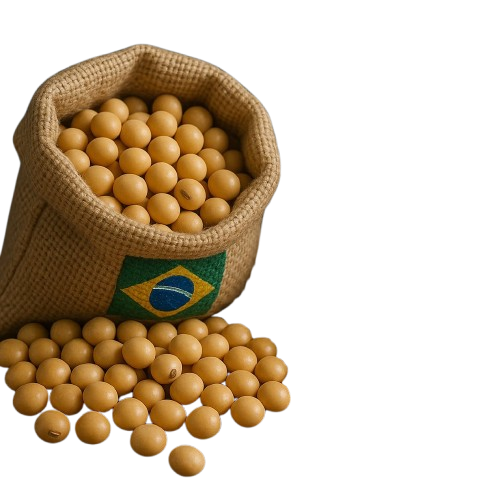
Brazil is the world’s leading soybean producer and exporter, supplying around 50% of the global soybean market. As a key hub for Brazilian soybeans suppliers, exporters, and producers, it provides high-quality, bulk soybeans to major markets like China, the EU, and Asia, making it a top choice for buyers seeking premium soybean suppliers from Brazil.
Brazil is a global leader in soybean production, with the country accounting for a significant share of the world’s total output. Soybeans make up a major portion of the world’s plant-based protein and oil supply. Brazilian soybean manufacturers and suppliers are renowned for their high standards of cultivation, processing, and packaging.
Yes, soybeans produced in Brazil are safe for consumption as they undergo stringent processing and adhere to health and safety standards set by local and international regulatory agencies. Always verify the label and source to ensure the soybeans meet quality certifications, whether you are buying raw soybeans, organic soybeans, or soy products.
Good Agricultural Practices (GAP) Compliance: Brazilian soybean producers follow GAP guidelines to minimize risks and ensure safe and sanitary growing environments for soy cultivation.
Adherence to Food Safety Standards: Soybean producers in Brazil comply with national and international food safety regulations, including HACCP (Hazard Analysis and Critical Control Points), to identify and mitigate potential hazards in the production process.
Quality Control Testing: Regular testing for contaminants, impurities, and other safety risks is an integral part of the quality assurance process for Brazilian soybean production.
Clean and Hygienic Processing Techniques: Advanced machinery and stringent hygiene protocols are used in soybean processing plants to minimize the risk of contamination.
Traceability Systems: Brazilian soybean producers implement traceability systems to monitor their products from cultivation to the final product, ensuring safety and quality at every stage.
By adhering to these practices, the soybean industry in Brazil ensures compliance with food safety regulations and delivers high-quality, safe soybeans to the global market.
These are some of the premium soybean brands that are renowned and trusted worldwide. Availability of specific brands may vary based on regional and local market characteristics. Brazilian soybeans are known for their quality and are widely sought after in international markets, including the Middle East, Asia, and Africa.
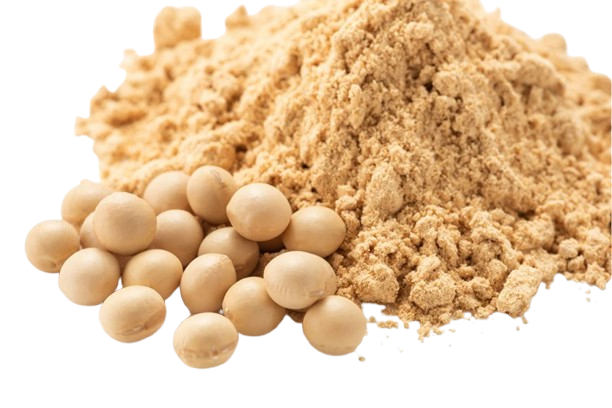
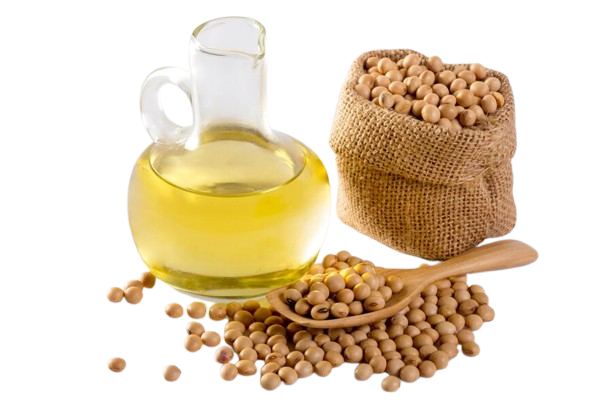
Non-GMO soybean flour is made from ground soybeans, offering high protein and fiber content. It’s used in baking and as a gluten-free alternative in various recipes.
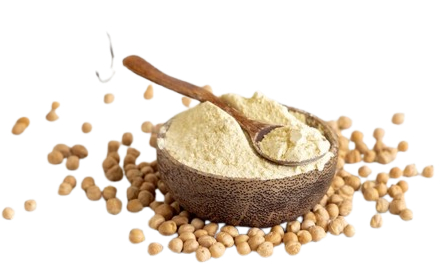
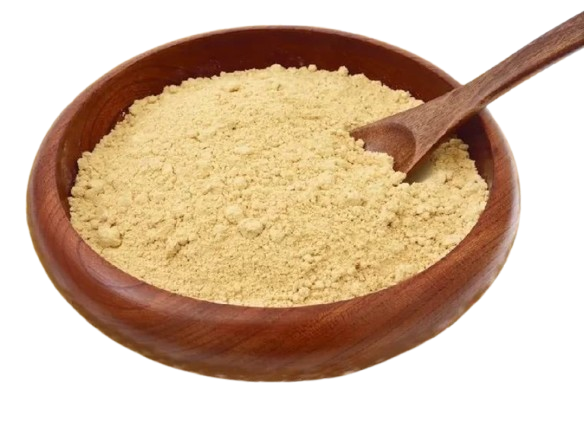
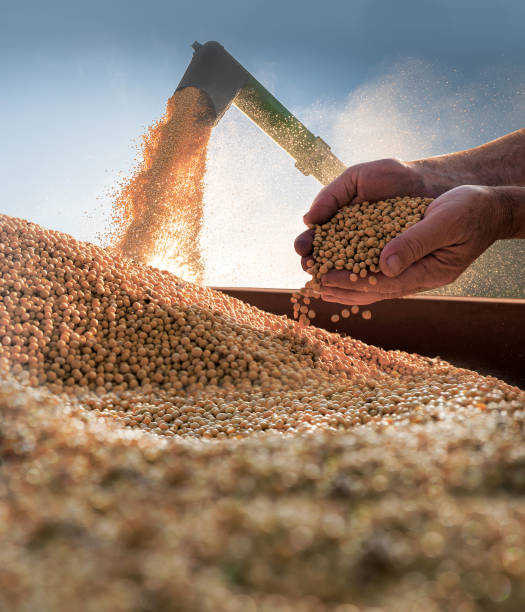
Brazilian soybeans are at the heart of the global agricultural market, with Brazil recognized as the world’s leading soybean producer and exporter, supplying nearly 50% of global demand. With vast farmland, advanced farming techniques, and strong logistics, Brazilian soybeans suppliers, exporters, and producers deliver high-volume, premium-quality soybeans to key markets such as China, the European Union, and Southeast Asia, making Brazil a top destination for buyers seeking reliable bulk supply.
The quality of Brazilian soybeans is determined by essential factors such as protein content, oil content, moisture levels, and purity, which directly influence processing efficiency and end-use performance. As a trusted Brazilian soybean supplier, strict quality control is applied from farm to export through testing, grading, and certification, ensuring consistent, export-grade soybeans with full traceability and dependable performance for global buyers.
Unlike sugar, the soybean industry is not governed by a single global authority. Instead, quality and trade standards are defined by organizations such as ISO, GAFTA, FOSFA, and USDA, ensuring that Brazilian soybean exporters meet international requirements and deliver reliable, compliant products worldwide.
Brazilian Soybean Production, Cultivation, and Processing
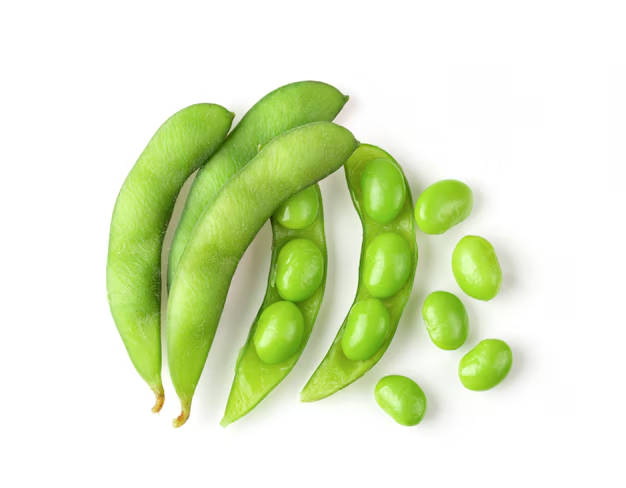
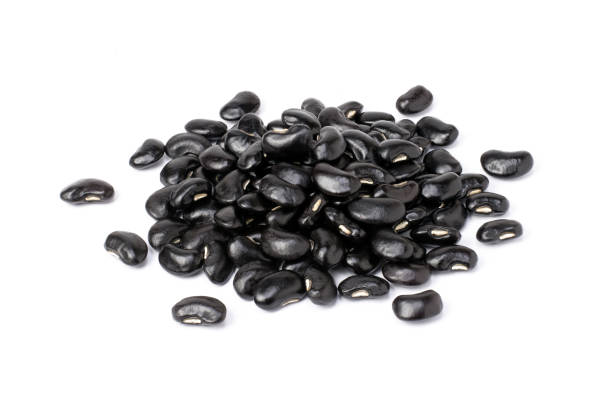
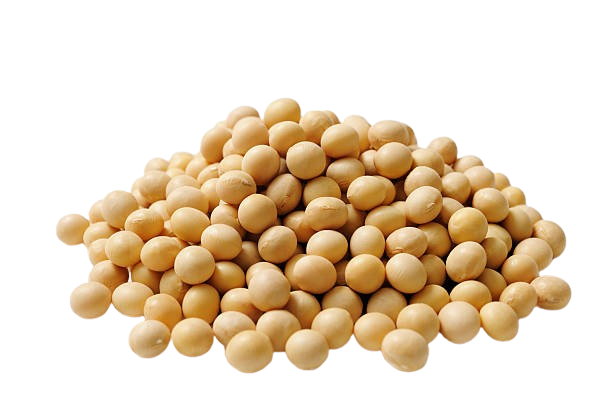
Brazil is a leading producer of soybeans, with its vast agricultural sector focused on the cultivation and export of high-quality soybeans. The soybean industry in Brazil ensures sustainable farming practices and meets international standards for food safety and environmental regulations. The country’s production of soybeans accounts for a large share of global exports, with a variety of soybean types such as yellow, green, and black soybeans being available for export.
Brazil Soybean Export – 2023
Logistics and Export Process for Soybeans
The logistics of shipping soybeans are complex, with Brazilian ports like Santos and Paranaguá handling large shipments. However, delays and high costs can occur due to the volume of shipments. Soybeans are stored in large quantities at Brazilian ports, but prices can vary depending on market demand and supply.
Soybean Export Procedures
Soybean Quality and Certification
Brazilian soybeans undergo rigorous testing to ensure high quality and compliance with international food safety standards. SGS testing verifies the purity of soybeans, including yellow, green, and black types, to guarantee that they meet global market requirements.
Soybean Refining Process
The refining of soybeans may involve various methods depending on the desired product. Yellow soybeans are commonly processed into oil, tofu, and other derivatives, while green and black soybeans are often used for specialty products in global markets.
International Soybean Market Trends
Brazil’s soybeans are highly regarded for their quality, especially in the global markets of Asia, the Middle East, and Africa. The availability of different soybean varieties like yellow, green, and black soybeans ensures a broad appeal to international buyers.
Conditions
To request a quote:
Essential documents to start trading commodities:
With your target price in hands or right after receiving and accepting the informed price of the commodity by seller, please, send us:
LOI with all this information: 1) Product 2) Product Specification 3) Country and Port of destination (If not FOB) 4) Quantity (in MT) 5) Time of Contract (if not SPOT) 6) Packaging (pack specification or bulk) 7) Other Mandatory Procedures 8) Target or accepted price 9) Payment Alternative (SBLC, DLC and other payment specifications) 10) Other details and requeriments 11) TOP 50 Bank Information (Bank, Address, Account Number, Holder and Bank contact) 12) Date, Address and Stamp of the purchasing company and director name and signature.
ICPO: The same information request for a LOI plus Proof of Funds (RWA or BCL).